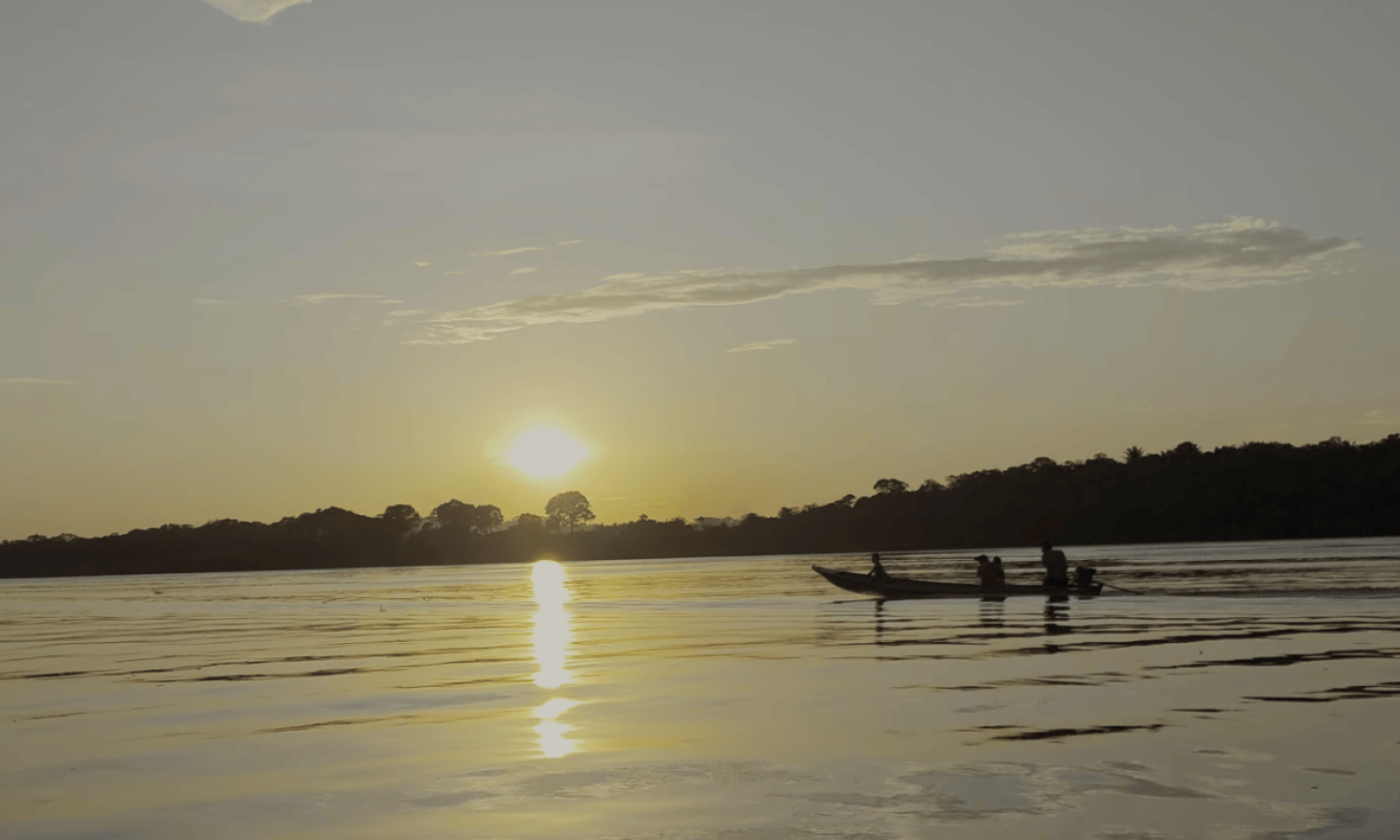
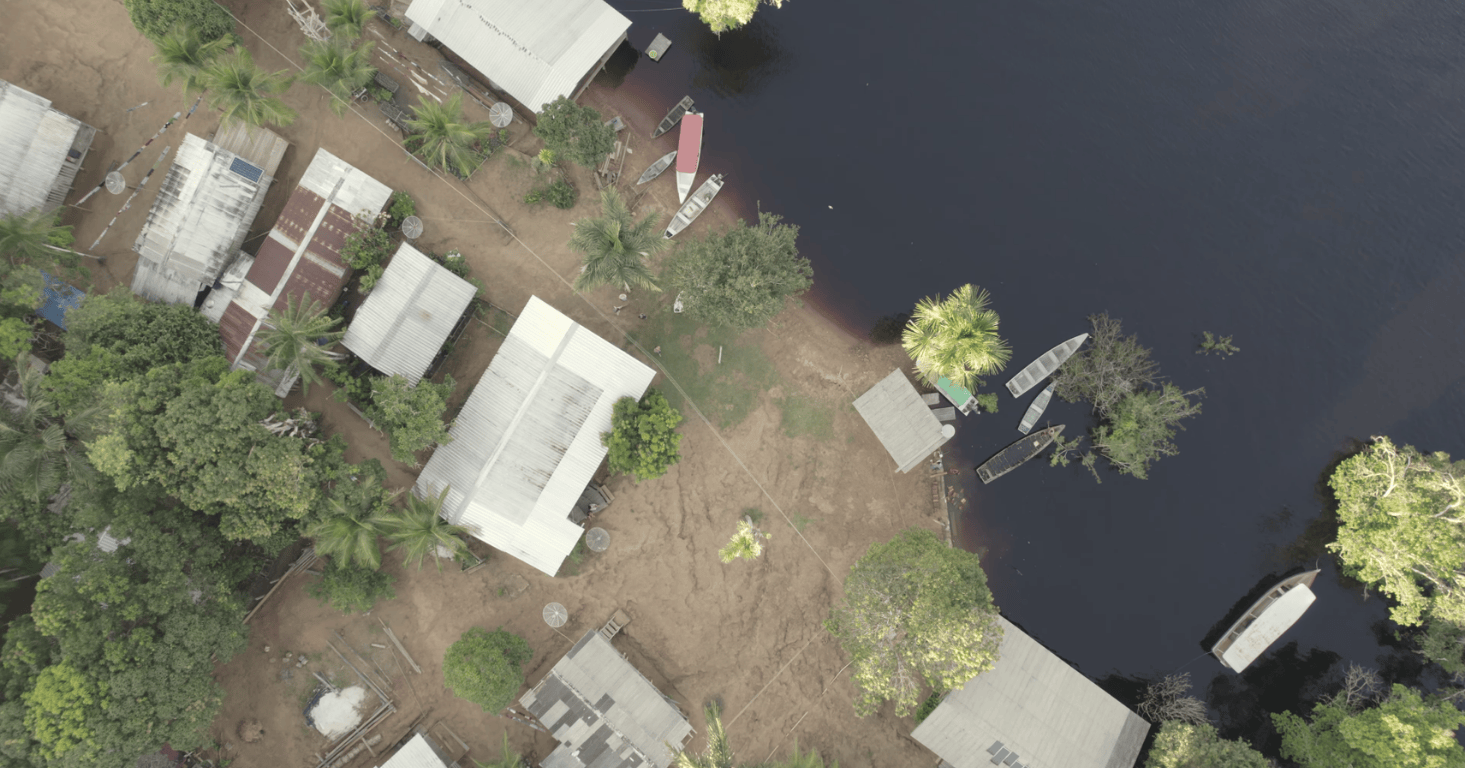
Founded in 1985, the Tiririca Community is located in the municipality of Novo Airão, on the right bank of the Rio Negro, within the Rio Negro Sustainable Development Reserve, established in 2008. The community originated from the traditional settlement of riverside families who structured their lives around artisanal fishing, subsistence farming and the balanced use of the forest. Before the creation of the Reserve, timber extraction formed part of the local economic dynamics and was carried out in accordance with traditional knowledge. With the implementation of the RDS, new regulations began to govern the use of natural resources, bringing significant changes to the daily lives of families. Although residents took part in meetings prior to the creation of the Reserve, many report that they did not fully understand the impact of the new rules at the time. Since then, Tiririca has been navigating a process of adaptation between tradition and environmental legislation, maintaining its riverside identity while strengthening its role as a community within a protected area. Today, it stands as a concrete example of coexistence between traditional culture and public environmental policies in the Amazon.
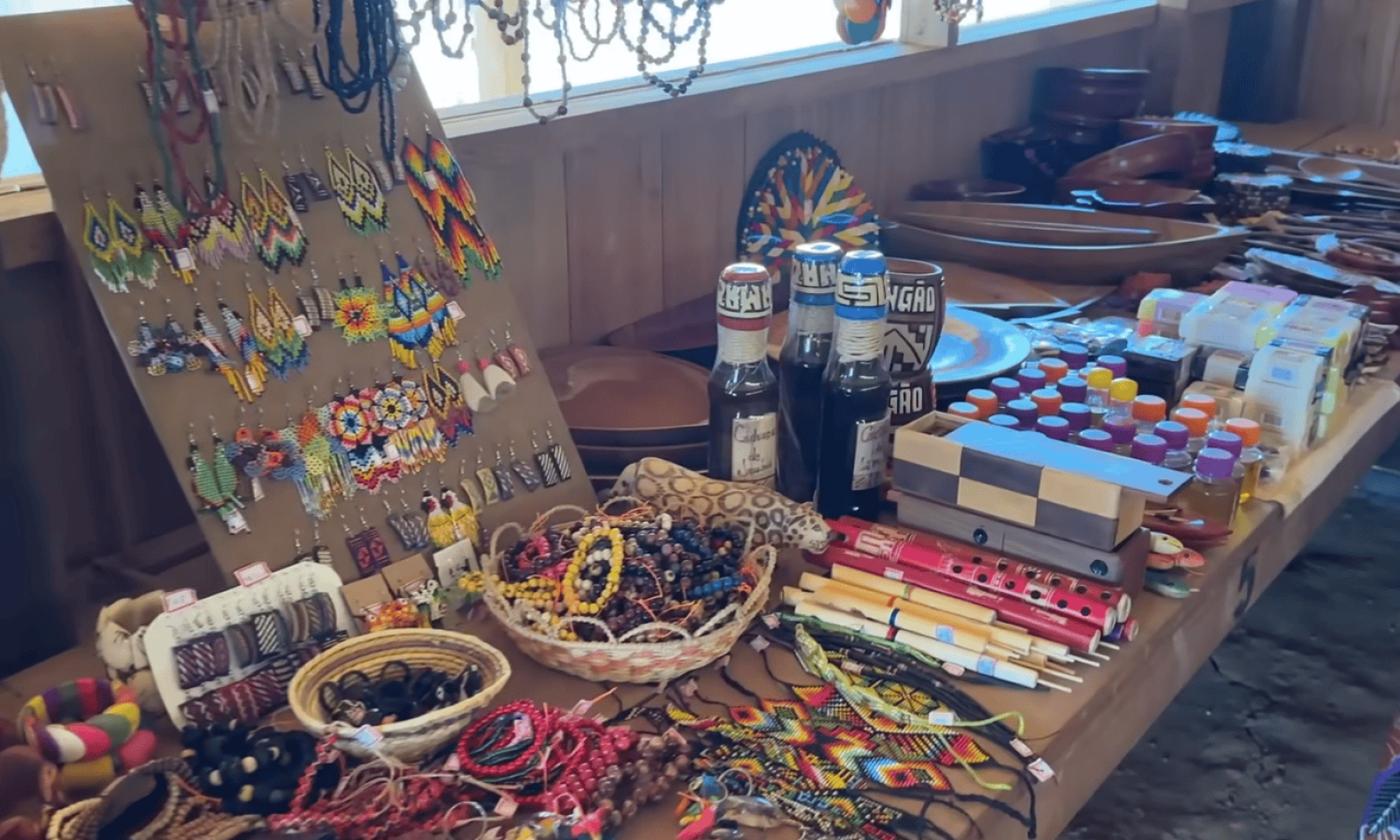
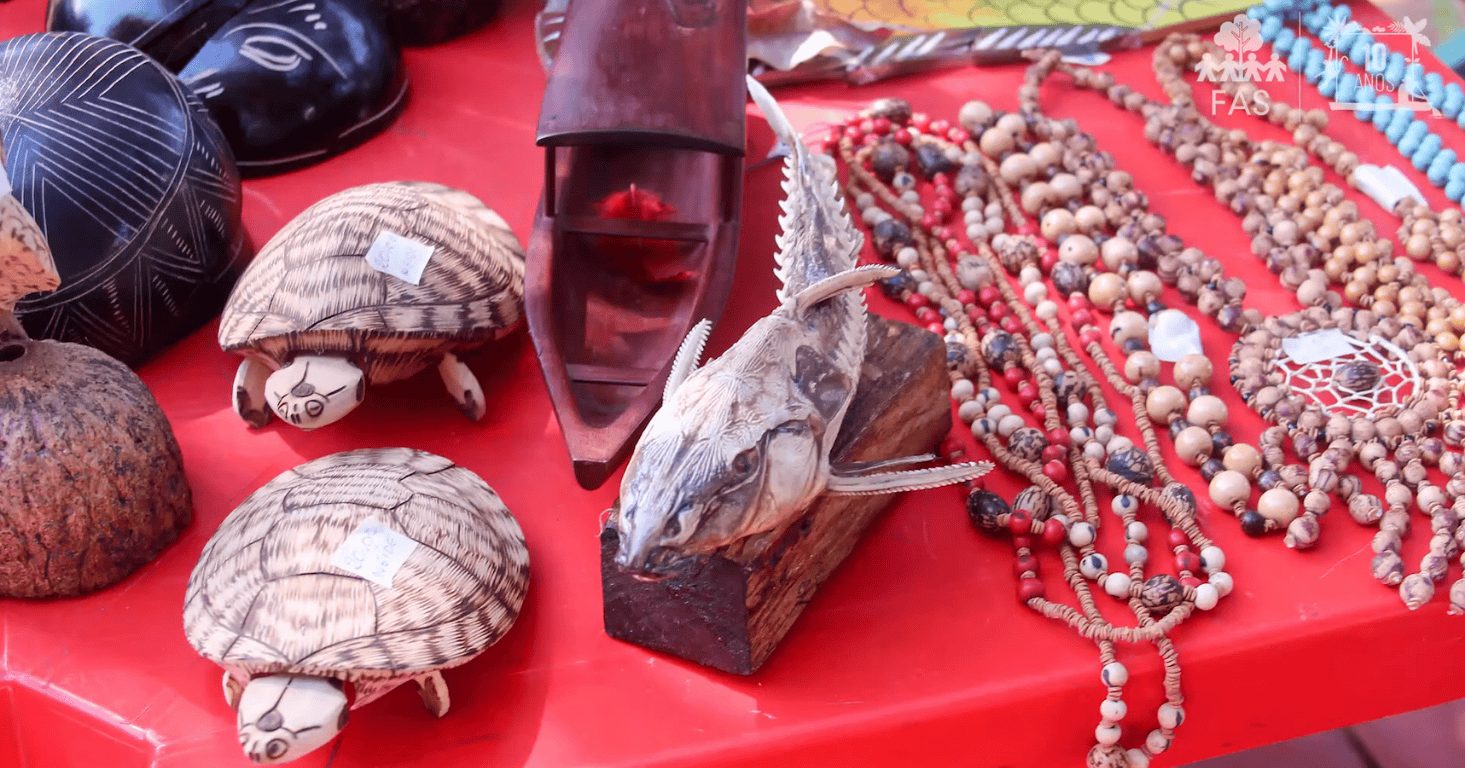
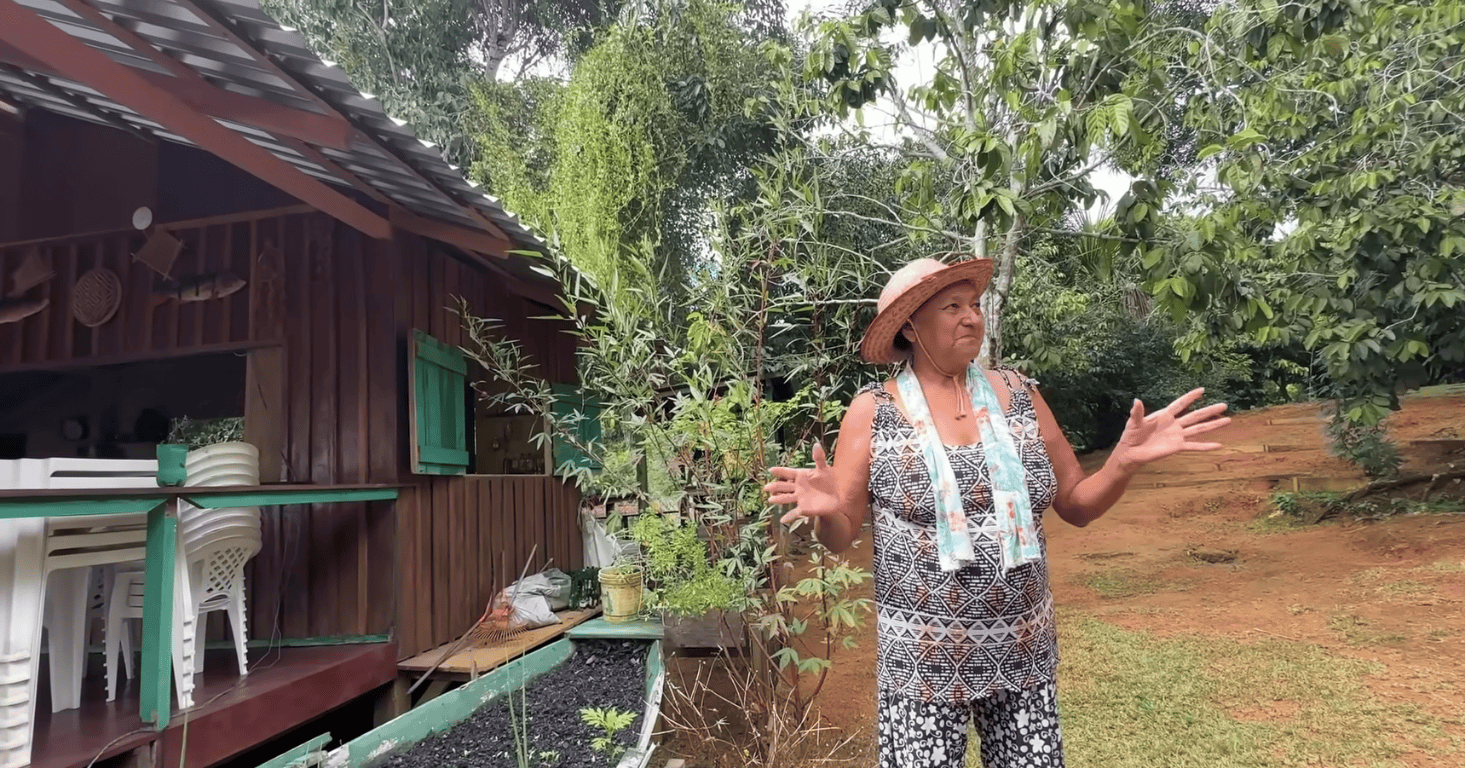
The culture of the Tiririca Community is deeply connected to the river and the forest. Daily life is guided by the cycles of the Rio Negro’s waters and by knowledge accumulated over generations. Social organisation is based on communal land use, respect for family territories and strong bonds of kinship and cooperation. The simple homes reflect a functional way of life adapted to the Amazonian environment. Handicraft production expresses creativity and traditional knowledge, using locally sourced raw materials to create pieces that represent riverside identity. The community’s Craft House serves as a space for cultural exchange and supplementary income generation. Even with limited access to electricity and communication, the community preserves values of solidarity, autonomy and respect for nature. For those seeking transformative experiences, Tiririca offers the opportunity to experience a way of life where time follows the rhythm of the forest and traditional knowledge remains a living heritage.
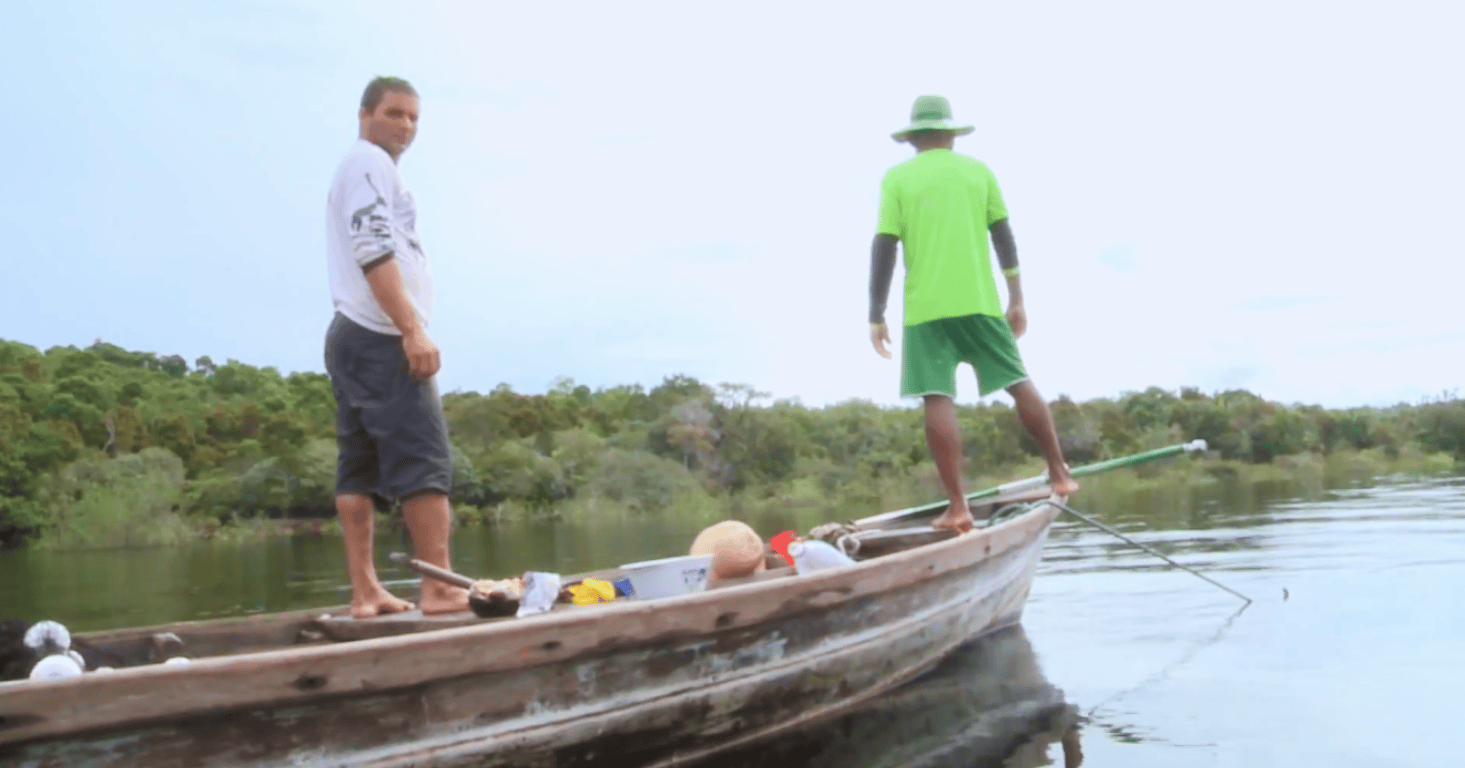
Tiririca’s traditions are linked to sustainable land management and respect for natural cycles. Historically, planting takes place in secondary growth areas, avoiding the clearing of primary forest. This practice demonstrates ecological knowledge that predates the creation of the Reserve. Artisanal fishing also follows species’ breeding periods, respecting the river’s timing and ensuring resource continuity. Even before the formal RDS regulations, internal rules organised territorial use, defining boundaries between families and promoting balanced access to natural resources. The construction of houses, canoes and utensils has always relied on controlled and conscious timber use. After the creation of the Reserve, many of these practices became subject to official authorisation, requiring adaptation. Nevertheless, a strong sense of belonging and collective responsibility remains. Residents see themselves as guardians of the territory, monitoring against external invasions and predatory practices, keeping alive the tradition of harmonious coexistence with the forest.
The community has the Association of Agricultural Producers of the Tiririca Community, which is formally established and active. The association represents residents before public authorities and participates in councils linked to the Reserve’s management. Decisions are taken collectively, strengthening dialogue and local autonomy.
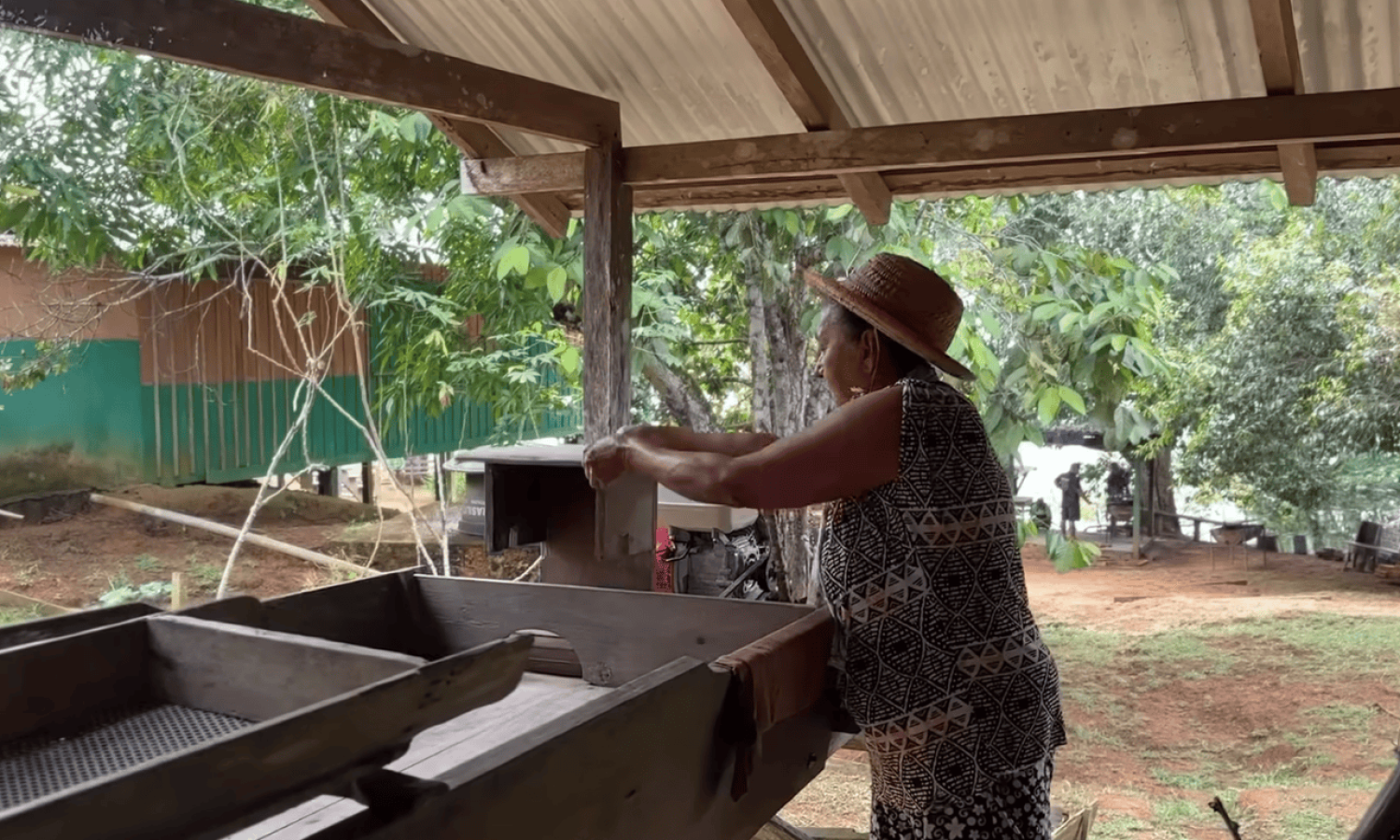
The main economic activity is the managed extraction of timber for the production of barbecue skewers, carried out through an authorised Forest Management Plan. Family farming and handicraft production complement household income. The economy operates on a small scale, based on community work and the sustainable use of resources.
Religious life is associated with popular Christianity, marked by simple celebrations and community gatherings. Faith reinforces values of unity, solidarity and respect for nature, which are central to everyday life.
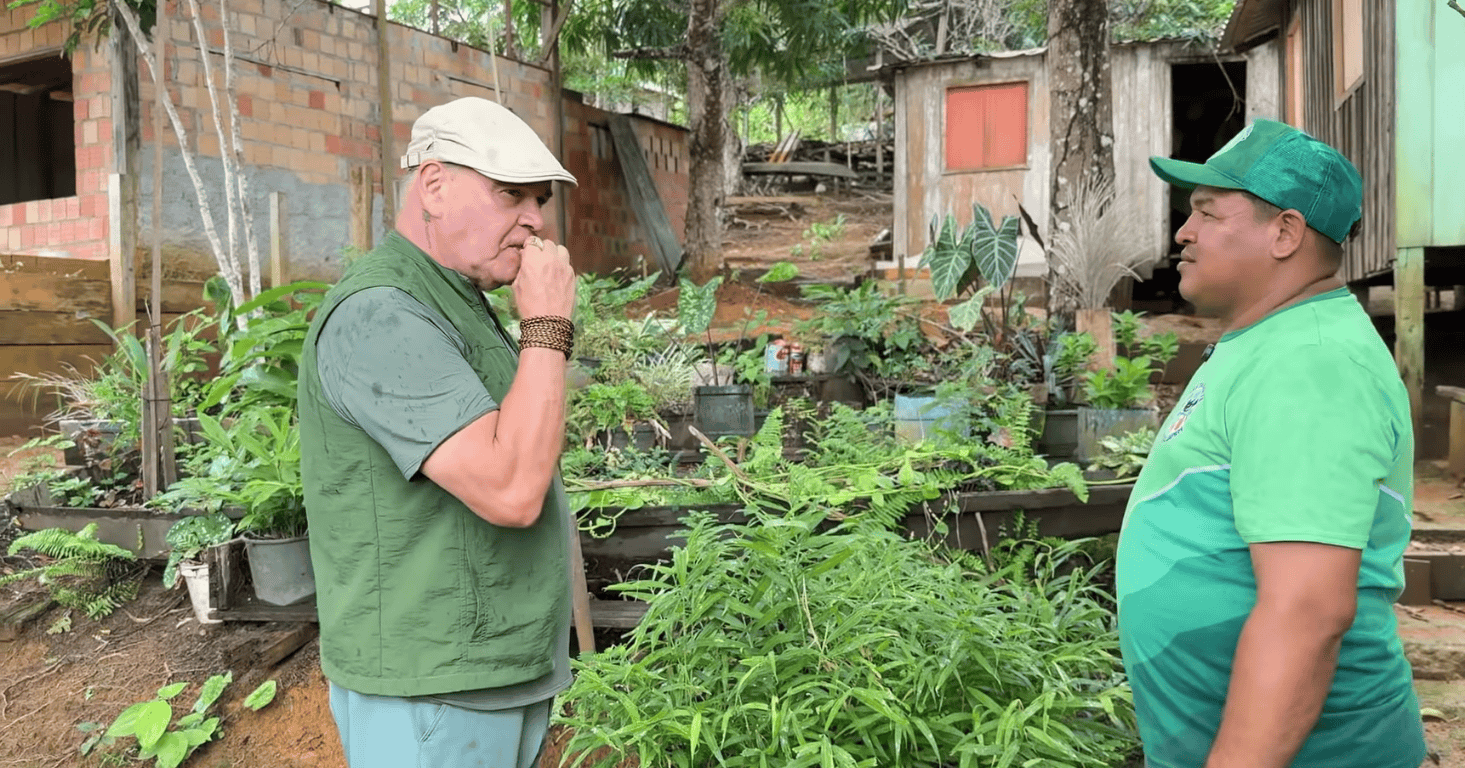
Healthcare is supported by a community health worker. At the same time, the use of medicinal plants and traditional knowledge remains present, demonstrating the importance of the forest as a source of care and balance.
The community seeks greater participation in decisions related to the Reserve’s Management Plan. Ongoing dialogue with public authorities aims to ensure that environmental regulations respect local realities and knowledge.
Access is via Manaus, the main gateway to the Amazon. From the capital, the journey continues by road to Novo Airão, taking approximately three hours. From there, travel proceeds along the Rio Negro by regional boat to the community. The journey itself offers an immersion in Amazonian landscapes.

Connect with the Amazon in an authentic and responsible way. Book your experience in the Tiririca Community with Discover Brasil and experience the strength of riverside culture in harmony with the forest.
Sign up to receive exclusive offers and special benefits as soon as you register!